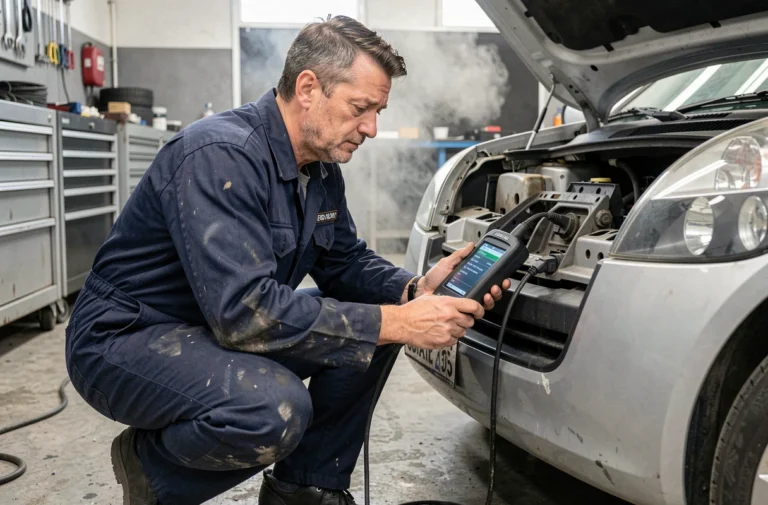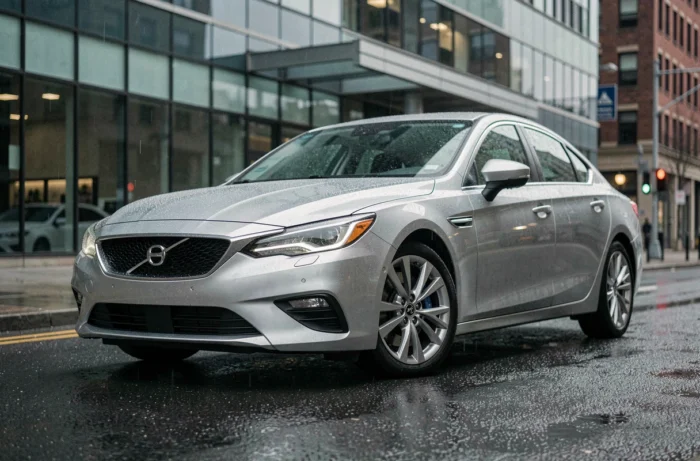
The automotive sector is undergoing a period of rapid changes. Between the 2026 Paris Motor Show, the fiscal adjustments on the ecological penalty, and the European negotiations on the future of powertrains, each month brings new developments for drivers and enthusiasts.
Ecological penalty and purchase aid: what changes concretely in 2026
Have you ever tried to understand the exact amount of aid for buying an electric car? In 2026, the answer is no longer a single figure displayed in black and white. The aid now depends on the offers from energy suppliers, rather than a fixed scale guaranteed by the state. Some households may still benefit from a significant boost, but it’s essential to compare offers before signing.
On the CO₂ penalty side, the trigger threshold has been lowered. Translation: models that flew under the radar last year are now taxed. The weight penalty has also been revised downwards. Electric and hydrogen cars remain exempt from the weight penalty, creating a different tax treatment depending on the powertrain. A thermal SUV of the same size as an electric SUV will therefore incur an additional cost that its plugged-in counterpart avoids.
To keep track of these developments over the weeks, Autos Actus regularly details the updated scales and their consequences on the final price of new vehicles.
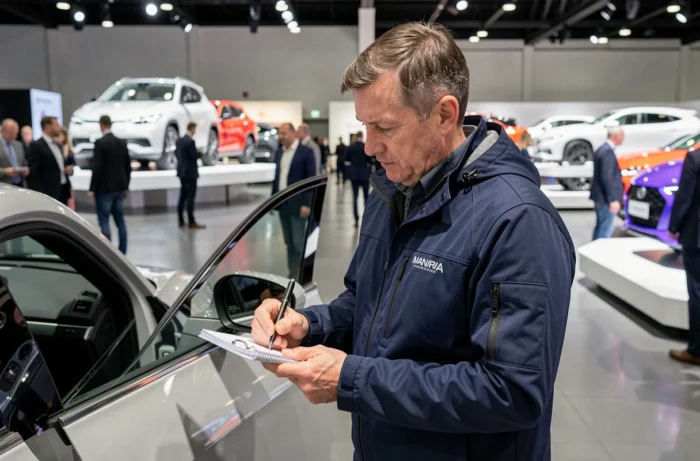
Goal 2035 for new cars: where is European regulation
The date 2035 often comes up in discussions about the future of the automobile. Why this choice? The European Union had set a target for a total reduction of average emissions from new fleets by this deadline. In other words, no purely thermal new car would be sold on the European market.
The European Commission recently proposed to replace this total reduction target with a 90% target, under certain conditions. This reform remains a proposal, not an adopted rule. The European Parliament and the governments of member countries still need to negotiate the final text.
For manufacturers like Renault, Volkswagen, or BMW, this regulatory uncertainty complicates planning. Should they invest heavily in pure electric, maintain a hybrid range, or bet on synthetic fuels? The answer depends on a vote that has not yet taken place.
Automotive production and “made in Europe” clause
Another aspect of the negotiations now links climate objectives to the location of production. France and Germany have displayed a common position: to condition regulatory relaxations on a commitment to manufacture on European soil. The idea is to prevent manufacturers from relocating their electric production to Asia while benefiting from looser rules in Europe.
This position remains a negotiation lever. No “made in Europe” clause is included in the current regulations. Discussions in the European Parliament will determine whether this principle becomes binding or remains a statement of intent.
2026 Paris Motor Show: the electric models that matter
The Paris show remains the major event in automotive news in France. The 2026 edition highlights several trends that go beyond a simple catalog of new products.
Electric city cars: the price battle
The segment of small electric cars is attracting attention. Several manufacturers are presenting models priced more accessibly than the previous generation. DS Automobiles is previewing with the F3ever concept a future premium electric city car, the DS N°3, expected in 2028, which would abandon the SUV silhouette in favor of a compact sedan.
These launches illustrate a shift: the electric market is moving towards smaller formats and contained prices, after years dominated by SUVs and high-end sedans.
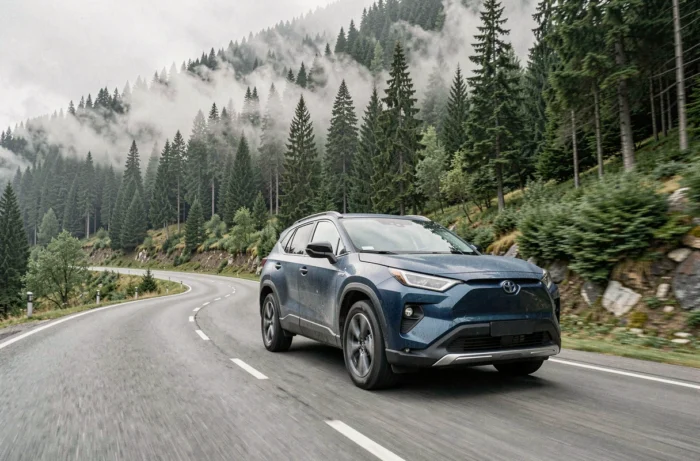
Electric utility vehicles: still a significant price gap
Light electric utility vehicles remain significantly more expensive than their thermal equivalents. Some Chinese models have prices much lower than those of European manufacturers for comparable performance. The European texts in preparation also concern the technical constraints and homologation procedures for these utilities, which could change market access conditions.
Automotive market trends: what sales figures reveal
Several insights emerge for buyers:
- Delivery times vary significantly depending on the powertrains and brands, with shorter waiting lists for electric than for some popular thermals
- The second-hand electric market is structuring, with sometimes rapid depreciation on the first models
- Technical recalls (batteries, software) also affect electric vehicles, as shown by the recent recall on models from the Volkswagen group
The automotive landscape is evolving quickly, but purchasing decisions remain guided by concrete criteria: actual price after aids, real-world range, maintenance costs, and resale value. Announcements from shows and regulatory proposals always end up translating, or not, into the daily lives of drivers.