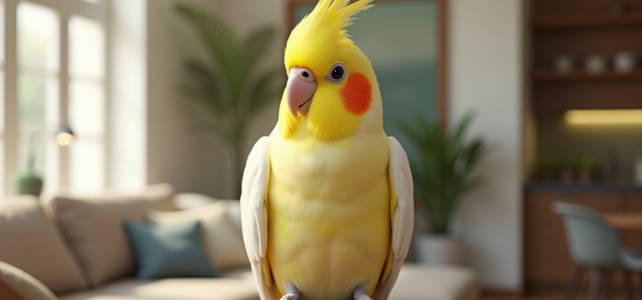
Adopting a cockatiel, this small parrot native to Australia, can be a rewarding adventure. However, before taking the plunge, several aspects deserve examination. These birds require a commitment in terms of time, space, and attention. Their specific diet and need for mental stimulation are elements not to be overlooked.
The cockatiel needs a secure environment tailored to its needs. It is sensitive to drafts and sudden temperature changes. Understanding the behavioral and emotional needs of this species is essential to ensure its well-being. Careful preparation ensures a harmonious and fulfilling coexistence.
The specific characteristics and needs of the cockatiel
The cockatiel, also known as the dwarf cockatoo, charms with its elegant plumage and lively personality. It is not just a decorative ornament. This intelligent and sociable bird requires special attention to thrive.
Living environment
The cockatiel’s cage should be spacious enough to allow free movement. Prefer a metal cage with horizontal bars to facilitate climbing. Install several perches of varying diameters, interactive toys, and a bathing area to stimulate its physical and mental activity.
Diet
A balanced and varied diet is fundamental. Offer it a quality seed mix, supplemented with fruits, vegetables, and sometimes animal proteins like cooked eggs. Avoid toxic foods such as avocado, chocolate, and coffee.
Interaction and stimulation
The cockatiel is a social bird that needs regular interactions with its owners. Consider spending time daily with it to strengthen the emotional bond and prevent boredom, which can lead to destructive behaviors.
Health and hygiene
Make sure to regularly clean the cage and its accessories to prevent any bacterial proliferation. Watch closely for any signs of illness: loss of appetite, ruffled feathers, or lethargic behaviors. An annual visit to a specialized veterinarian is recommended.
Budget
The price of a cockatiel varies according to its color and age. Before investing, consult specialized resources to inform yourself about the costs associated with its acquisition and maintenance.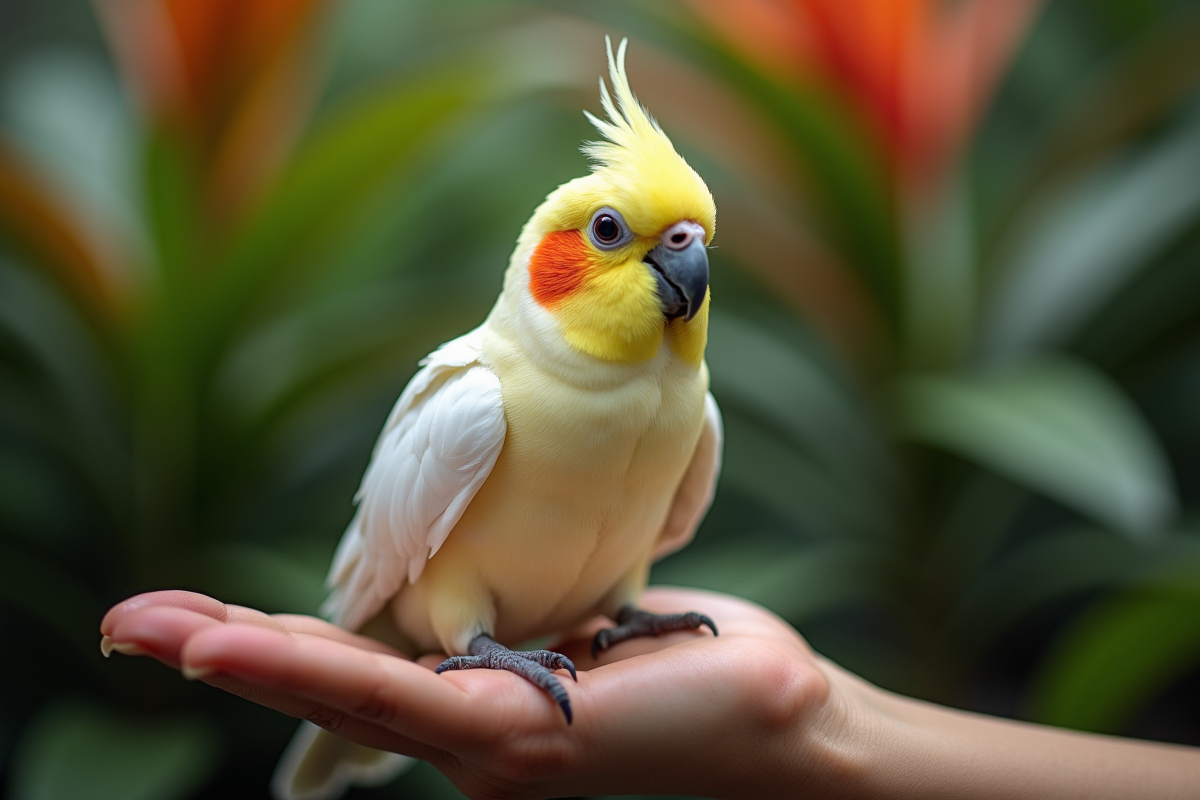
Essential steps for a successful adoption
Researching beforehand about the specific needs of the cockatiel is the first step for a successful adoption. Consult specialized books, join bird enthusiast forums, and participate in seminars to gather as much practical knowledge as possible.
Choosing the right breeder
Opt for a recognized breeder who adheres to animal welfare standards. Visit the facilities to ensure that the birds are raised in optimal conditions. A serious breeder will provide detailed information about the origin and health of the cockatiel.
Preparing the environment
Before your cockatiel arrives, set up its living space:
- A spacious cage, equipped with perches and toys
- A feeding area with containers for food and water
- A bathing area for its hygiene needs
Integration and socialization
The first days are crucial for building a trust bond. Allow the cockatiel to get used to its new environment without rushing it. Gradually introduce play and socialization sessions to facilitate its adaptation.
Veterinary follow-up
Plan a first visit to a specialized veterinarian for a complete health check. This regular medical follow-up is essential to prevent diseases and ensure the overall well-being of the bird.
Training and education
Invest time in your cockatiel’s education. Use positive reinforcement techniques to teach it how to interact properly. Adequate training will contribute to its development and harmonious coexistence.