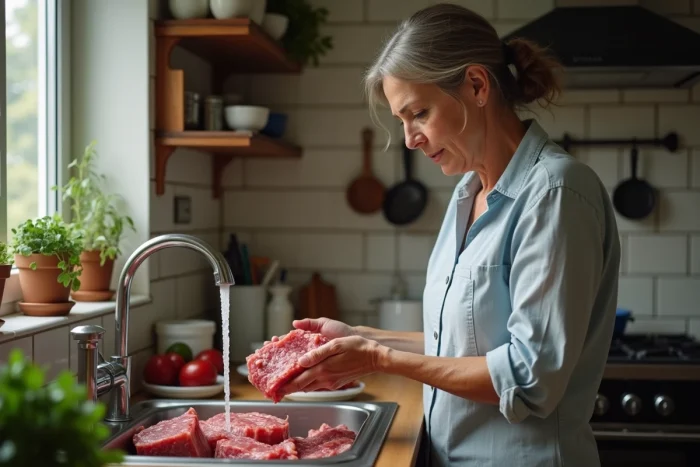
The soaking time directly influences the tenderness and final flavor of the piece. Several schools of thought disagree on the ideal duration: some recommend an entire night, while others limit the process to just a few hours. The addition of vinegar or lemon to the soaking water is still a topic of debate among seasoned cooks.
Forgetting to remove the outer membrane leads to a tough texture, even after long cooking. A simple oversight radically alters the result in the mouth.
Why beef tongue and cheek deserve a place in your kitchen
Long overlooked or relegated to the status of a confidential offal, beef tongue is making a comeback. This cut, classified among red offals, is appealing for its tenderness once well prepared and offers a unique tasting experience for those looking to rediscover all the facets of beef. An heirloom of the most authentic French cuisine, it embodies both transmission and boldness, giving a new dimension to dishes known for their rusticity.
The beef cheek shares this resurgence. These cuts, long neglected, are regaining the hearts of traditional cooking enthusiasts. But before any cooking, one must focus on the first step: easily soaking the beef tongue. This essential gesture, aimed at removing blood and impurities, also applies to veal, lamb, or pork tongues. After soaking, the meat absorbs the flavors of the broth and iconic sauces like piquante, gribiche, or ravigote more effectively.
Whether on the butcher’s counters, in prepared dishes, or vacuum-packed at the caterer, tongue has not said its last word. Its preparation, far from being daunting, resembles a return to the roots: it allows one to savor refined, generous, and characterful meat, ideal for both family recipes and more contemporary pairings.
What simple steps to properly soak beef tongue before cooking?
To ensure a beef tongue that is tender and flavorful, soaking is a crucial first step not to be overlooked. This operation aims to eliminate anything that could alter the purity of the taste: residual blood, impurities, small unwanted particles. Here’s how to proceed, step by step:
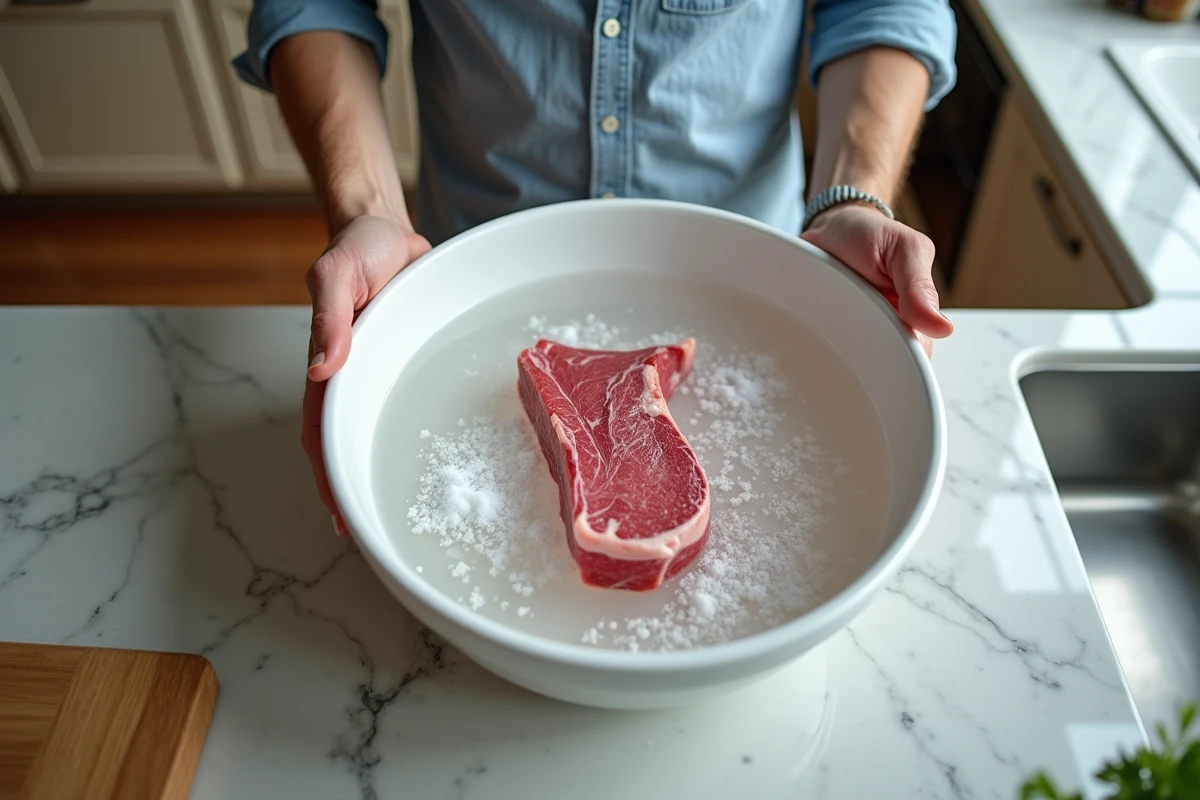
- Fill a large bowl with cold water, then add a splash of vinegar to enhance the cleaning action.
- Place the whole tongue in the water, ensuring it is completely submerged.
- Let it rest for 2 to 4 hours, changing the water once or twice for greater effectiveness.
- If necessary, add a bit of coarse salt to enhance the cleaning, and gently rub the surface by hand.
Once the soaking is complete, rinse the tongue under fresh water and dry it carefully. This method applies equally to veal, lamb, or pork tongues. Far from being a detail, this gesture conditions the success of the dish, promoting even cooking and revealing all the subtleties of the flavors. It is only after this preparation that the tongue can be blanched and then cooked slowly in an aromatic broth. Purists of traditional cooking never skip this step: they know it guarantees clear meat, free of bitterness, ready to embrace all variations of sauce.
Traditional recipes and chef tips to elevate these forgotten cuts
A well-soaked and blanched beef tongue reveals all its potential after a controlled cooking process. The golden rule: patience. Immerse the whole tongue in an aromatic broth (carrots, onions studded with cloves, bay leaf, thyme, parsley, bouquet garni) and let it simmer for 2 to 3 hours over low heat to achieve a melting texture. For those in a hurry, a pressure cooker can reduce this time to 45 minutes to an hour, without losing any tenderness.
When the cooking is finished, simply peel the tongue: the skin comes off easily. Then cut it into one-centimeter slices and serve, depending on your mood, hot or cold. The sauces make all the difference:
- Piquant sauce: tomato concentrate, cooking broth, pickles, capers.
- Gribiche sauce: mayonnaise, hard-boiled egg, fine herbs.
- Ravigote sauce: mustard vinaigrette, capers, onion, fresh herbs.
The veal tongue, lamb, or sheep is prepared similarly, with a cooking time adjusted to their size. The pork tongue, on the other hand, shines in terrine, enhanced with various condiments. Some chefs, like Jocelyne Cognat-Chemouil, reinvent the broth by adding pink pepper and cardamom, and dare to serve it with old-fashioned mustard.
For storage, nothing complicated: count on 24 hours in the fridge for raw tongue, up to three days for cooked, and freezing remains a good option for the whole tongue. These offals, sometimes set aside, offer those who know how to prepare them a palette of unexpected flavors and a unique depth to French cuisine. Letting a beef tongue infuse in its broth is to give tradition a prominent place at the table while reclaiming a forgotten know-how. The next time you see a tongue at the butcher, think of these simple gestures: behind this discreet cut, a culinary treasure awaits to be revealed.