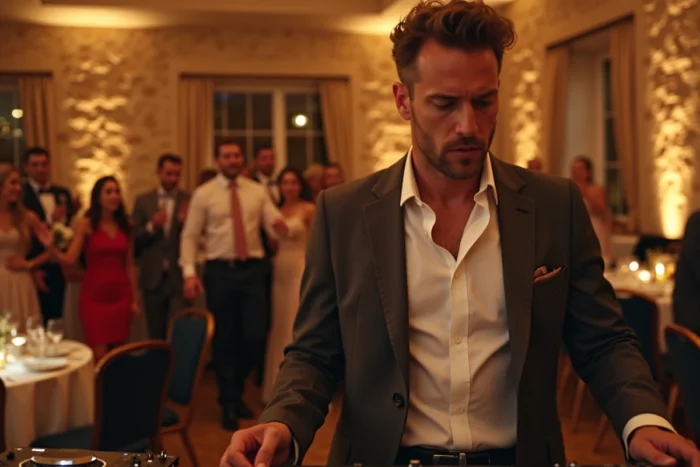
The entertainment of a wedding is not just about stacking activities between two courses. The choice, rhythm, and timing of key moments shape the atmosphere of the entire evening, from the cocktail reception to the dance floor. Poorly calibrated, entertainment falls flat or, worse, makes guests uncomfortable. Well thought out, it creates memories that guests will recall for years to come.
Wedding Entertainment: Why Timing Matters as Much as the Activity Choice
Placing an escape game during dessert or a blind test when the caterer serves the starter sabotages both. The rhythm of a wedding evening follows a curve: relaxed welcome, rising energy during the meal, festive peak in the evening, then gradual decline.
A long cocktail reception (over an hour) can support gentle entertainment: photobooth, caricaturist, outdoor wooden games. The meal, on the other hand, only needs short punctuations (a speech, a few minutes retrospective video). Concentrating strong entertainment between the end of the meal and the opening of the dance remains the most effective sequence to lift the atmosphere.
When entrusting the entertainment to Les Mariés de Sylvie, this sequencing logic is part of the service, which saves the couple from having to arbitrate alone between time slots.
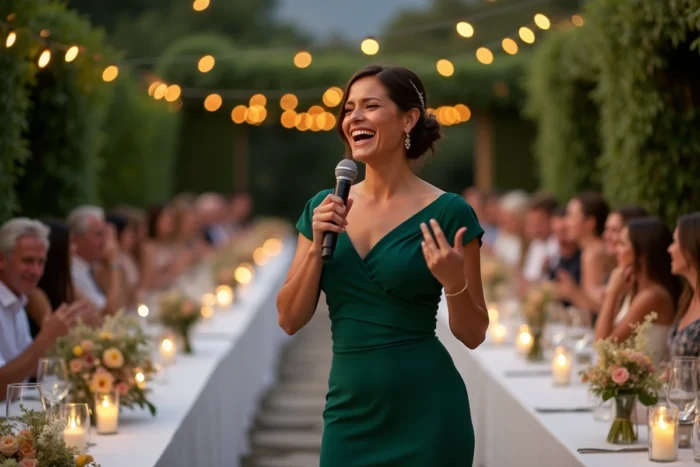
Intrusive Wedding Games: A Trend in Decline
Raunchy games, garter auctions, or humiliating dares for the couple have been losing ground for several years. DJs and professional entertainers report, on platforms like Quel-DJ and in online feedback, a decline in acceptance of overly intrusive wedding games since 2022. Couples are more clearly expressing their limits, and guests themselves are less inclined to participate in activities that embarrass someone.
This evolution pushes towards more inclusive formats. Wedding bingo, for example, works on observation (spotting a guest who is crying, a child sleeping under a table, an uncle dancing alone) rather than forced staging. The game “he and she,” where the couple answers back to back with signs, remains popular precisely because it relies on the couple’s complicity without forcing anyone.
What Works Better Today
- Low-pressure participatory activities: table blind tests, themed photo challenges, creative guest books (time capsules, wish trees, collective canvases)
- Short and visual formats: a surprise choreography by the witnesses, a live painter capturing the ceremony on canvas, a close-up magic show during the cocktail
- Optional workshops where everyone comes when they want: personalized cocktail bar, flower crown workshop, polaroid station with props
Wedding Entertainment and the “Smartphone Detox” Trend
Since 2023, French wedding planners have noted a growing demand for entertainment that keeps guests away from their screens during key moments. Phone pouches distributed at the entrance of the ceremony, humorous usage guidelines displayed, “no phone” zones around the head table: the idea is not to ban, but to create conditions for collective immersion.
This trend coexists with its exact opposite. Many couples now plan a “studio” corner dedicated to creating social content, with continuous lighting and mini-reels shot by a videographer. Choreographic challenges designed for Reels or TikTok are even integrated into the evening by some event agencies.
The two approaches are not contradictory: it is about channeling phone use towards a specific space and moment, rather than letting it pollute the ceremony or dinner.
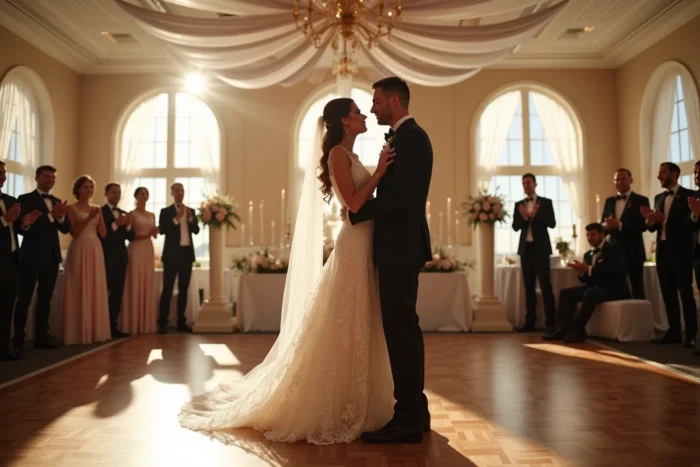
Eco-Responsible Weddings: Adapting Entertainment to a Minimalist Approach
The wedding trend reports for 2023-2024 published by Mariages.net mention waste reduction in entertainment among the frequent requests from couples. Concretely, this translates into replacing the packaged candy bar with a local syrup bar or a DIY workshop with recycled materials. Reusable setups (raw wood photobooth panels, vintage board games) replace disposable accessories.
This approach has a collateral advantage: it encourages reducing the number of activities, which ties back to the rhythm issue mentioned earlier. Fewer stands, less waste, and paradoxically more engagement from guests in each proposed activity.
How Many Activities to Plan for the Reception Evening
A maximum of four activities throughout the evening is enough to pace a wedding without overwhelming it. Beyond that, the downtime between each activity shrinks, leaving guests with no time to chat, dance, or simply enjoy the atmosphere.
A realistic breakdown looks like this:
- A light activity during the cocktail reception (photobooth, wooden games, caricaturist)
- One or two punctuations during the meal (speeches, retrospective video, short music quiz)
- A highlight after dessert or around the opening dance (surprise choreography, magic show, collective game like bingo or “he and she”)
The free time between activities matters as much as the activities themselves. It is in these intervals that guests mingle, conversations arise between tables that did not know each other, and children invent their own games. Filling every slot with an organized activity produces the opposite effect of what is sought: a directed evening where no one feels free to enjoy at their own pace.
The final choice depends on the number of guests, the layout of the reception venue, and the actual duration of the evening. A wedding of fifty people in a garden does not have the same needs as a reception of two hundred guests in a castle.